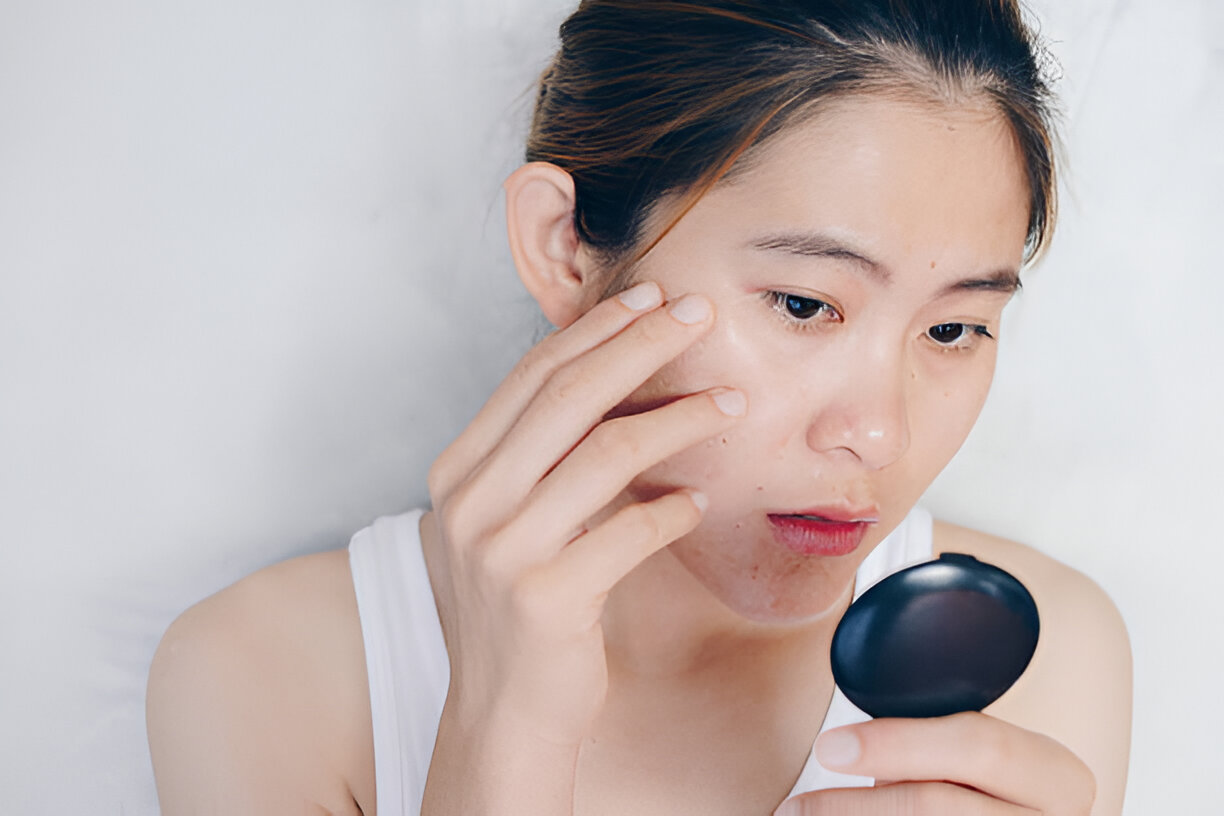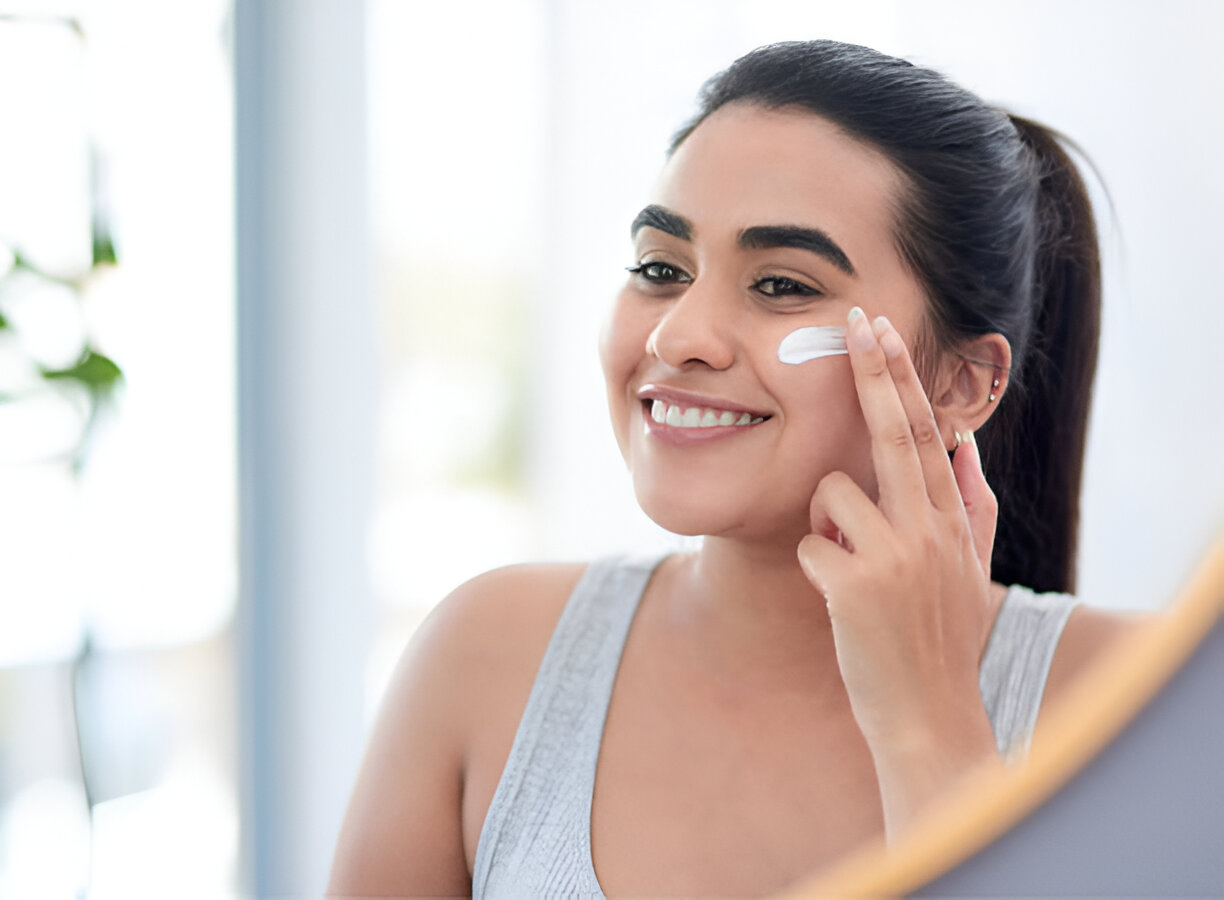

As you step into your 40s, you might notice that your skin isn’t quite the same as it was in your 20s or 30s. If you have oily skin, you may be dealing with a unique set of challenges—shininess, enlarged pores, occasional breakouts, and yet, signs of aging like fine lines and loss of elasticity. It can feel like a balancing act: managing oil production while also addressing the needs of maturing skin. But don’t worry—this guide is here to help you create the best skin care routine for oily skin over 40, so you can achieve a healthy, radiant complexion.
Why Oily Skin Changes After 40
First, let’s understand what’s happening to your skin. Oily skin is caused by overactive sebaceous glands that produce excess sebum. While this can lead to a shiny T-zone and clogged pores, it also has a silver lining: oily skin tends to age slower than dry skin because the natural oils help maintain moisture and plumpness.
However, as you age, your skin’s oil production may start to slow down slightly, even if you still have oily skin. At the same time, collagen and elastin production decrease, leading to fine lines, wrinkles, and sagging. This means your skin care routine needs to evolve. You can’t rely on the same products you used in your 20s or 30s. Instead, you need a tailored approach that addresses both oil control and anti-aging.
The Best Skin Care Routine for Oily Skin Over 40

Creating an effective skin care routine for oily skin over 40 involves four key steps: cleansing, treating, moisturizing, and protecting. Let’s break it down.
Step 1: Cleanse Gently but Thoroughly
Cleansing is the foundation of any skin care routine, especially for oily skin. However, harsh cleansers can strip your skin of its natural oils, causing your sebaceous glands to overcompensate and produce even more oil. Instead, opt for a gentle, sulfate-free cleanser that removes dirt, makeup, and excess oil without disrupting your skin’s moisture barrier.
What to Look For:
A foaming or gel cleanser with salicylic acid or glycolic acid to unclog pores.
Ingredients like niacinamide or green tea extract to soothe and balance the skin.
Pro Tip: Wash your face twice a day—once in the morning and once at night. Avoid over-cleansing, as this can irritate your skin and trigger more oil production.
Step 2: Treat with Targeted Serums
After cleansing, it’s time to treat your skin with serums that address your specific concerns. For oily skin over 40, you’ll want to focus on ingredients that control oil, minimize pores, and combat signs of aging.
Key Ingredients to Look For:
Retinol: A form of vitamin A that boosts collagen production, reduces fine lines, and regulates oil production.
Hyaluronic Acid: A lightweight hydrator that plumps the skin without adding oiliness.
Vitamin C: An antioxidant that brightens the skin, fades dark spots, and protects against environmental damage.
Niacinamide: A multitasking ingredient that reduces sebum production, refines pores, and improves skin texture.
How to Use: Apply a pea-sized amount of serum to your face and neck after cleansing. Start with retinol every other night to avoid irritation, and use vitamin C in the morning for added protection.
Step 3: Moisturize with a Lightweight Formula
Yes, even oily skin needs moisturizer! Skipping this step can actually make your skin produce more oil to compensate for the lack of hydration. The key is to choose a lightweight, non-comedogenic moisturizer that hydrates without clogging your pores.
What to Look For:
Oil-free or gel-based formulas.
Ingredients like ceramides, squalane, or aloe vera to strengthen the skin barrier and lock in moisture.
Pro Tip: Apply moisturizer while your skin is still slightly damp to seal in hydration. Use it morning and night after applying your serums.
Step 4: Protect with a Broad-Spectrum SPF
Sun protection is non-negotiable, especially as you age. UV rays can worsen oiliness, enlarge pores, and accelerate the signs of aging. Look for a broad-spectrum sunscreen with at least SPF 30 that’s specifically designed for oily skin.
What to Look For:
A lightweight, mattifying formula that won’t leave a greasy residue.
Ingredients like zinc oxide or titanium dioxide for gentle, effective protection.
Pro Tip: Reapply sunscreen every two hours if you’re spending time outdoors. For everyday use, a moisturizer with SPF can simplify your routine.
Additional Tips for Managing Oily Skin Over 40
While the four-step routine above is essential, there are a few extra steps you can take to keep your oily skin in check and maintain a youthful glow.
Exfoliate Regularly (But Don’t Overdo It)
Exfoliation helps remove dead skin cells, unclog pores, and improve skin texture. For oily skin over 40, chemical exfoliants like alpha hydroxy acids (AHAs) or beta hydroxy acids (BHAs) are your best bet. They’re gentler than physical scrubs and provide additional anti-aging benefits.
How to Use: Exfoliate 2-3 times a week, depending on your skin’s tolerance. Avoid over-exfoliating, as this can lead to irritation and increased oil production.
Use a Weekly Clay Mask
Clay masks are a great way to absorb excess oil and detoxify your pores. Look for masks with kaolin or bentonite clay, which are gentle yet effective. Some masks also contain hydrating ingredients like hyaluronic acid to prevent your skin from feeling tight or dry.
How to Use: Apply a thin layer to your face once a week, avoiding the eye area. Rinse off after 10-15 minutes and follow up with your regular skin care routine.
Stay Hydrated and Eat a Balanced Diet

What you put into your body reflects on your skin. Drinking plenty of water helps flush out toxins and keeps your skin hydrated from within. Additionally, a diet rich in antioxidants, healthy fats, and lean proteins can support skin health and reduce inflammation.
Foods to Include:
Leafy greens, berries, and citrus fruits for antioxidants.
Salmon, walnuts, and flaxseeds for omega-3 fatty acids.
Whole grains and legumes for zinc, which helps regulate oil production.
Manage Stress
Stress can wreak havoc on your skin, triggering breakouts and increasing oil production. Incorporate stress-relief practices like yoga, meditation, or deep breathing into your daily routine. Getting enough sleep is also crucial, as your skin repairs itself overnight.
Common Mistakes to Avoid
Even with the best intentions, it’s easy to make mistakes when caring for oily skin over 40. Here are a few pitfalls to watch out for:
Using Harsh Products: Avoid alcohol-based toners or astringents, as they can strip your skin and worsen oiliness.
Skipping Moisturizer: Hydration is key, even for oily skin. Skipping moisturizer can lead to dehydration and increased oil production.
Over-Exfoliating: While exfoliation is important, too much can damage your skin barrier and cause irritation.
Ignoring Anti-Aging Ingredients: Don’t focus solely on oil control. Incorporate anti-aging ingredients like retinol and vitamin C to address wrinkles and loss of elasticity.
Final Thoughts
Navigating oily skin over 40 doesn’t have to be overwhelming. With the right routine and a little patience, you can achieve a balanced, youthful complexion. Remember, the best skin care routine for oily skin over 40 is one that addresses both oil control and anti-aging. Stick to gentle, effective products, and don’t forget to protect your skin from the sun.
Your skin is unique, and it deserves care that evolves with you. Embrace this new chapter with confidence, knowing that you have the tools to keep your skin looking its best. Here’s to healthy, glowing skin at any age!
Latest Blog

Beautiful Face Shape with These Must-Try Exercises
My Journey to Facial FitnessI never thought I'd be writing about face exercises, but here I am, amazed by how much these simple movements have changed my facial appearance. Over the past year, I've discovered that just like our body muscles, our facial muscles need attention too. Today, I want to share my experience and the exercises that have worked wonders for me.Why I Started Facial ExercisesIt all be...

Hair Loss Vitamins: Nutrients for Strong and Healthy Hair
After struggling with hair loss myself, I learned so much about the vitamins and nutrients that can help maintain healthy hair. I want to share my insights about these essential nutrients and how they support hair growth and strength.Vitamin D: The Sunshine Vitamin Your Hair CravesWhen I discovered I was Vitamin D deficient, I had no idea it was connected to my thinning hair. Your hair follicles love Vitamin D – it helps crea...
Easy Nail Care Tips at Home for Beginners
When I first started taking care of my nails at home, I was completely lost. My nails were brittle, my cuticles were messy, and I couldn't paint my nails without making a huge mess. After lots of practice and learning from my mistakes, I've discovered simple ways to keep my nails looking beautiful without spending much money. Let me share what I've learned on my nail care journey.Getting Started: Basic Tools You NeedBefore I di...
Related Blog